I love going to museums and looking at art for inspiration. My favorites are works on paper, such as drawings and sketches.
I’m starting a new series sharing works of art to inspire your drawing practice, beginning with nature studies in pencil.
Why pencil?
Pencils might seem a bit dull, but they are so easy to use and versatile. You can go from light to dark shapes and lines simply by pressing down a bit harder.
They’re perfect for sketching on the go and making quick notes and are safe to take inside museums, which don’t always allow pens or paints.
Below are four beautiful nature drawings from the Getty Museum and the National Gallery of Art that I’d like to share with you.
Notice how the artists use lines in different ways to create shapes, areas of light and dark (tone), and to suggest distance.
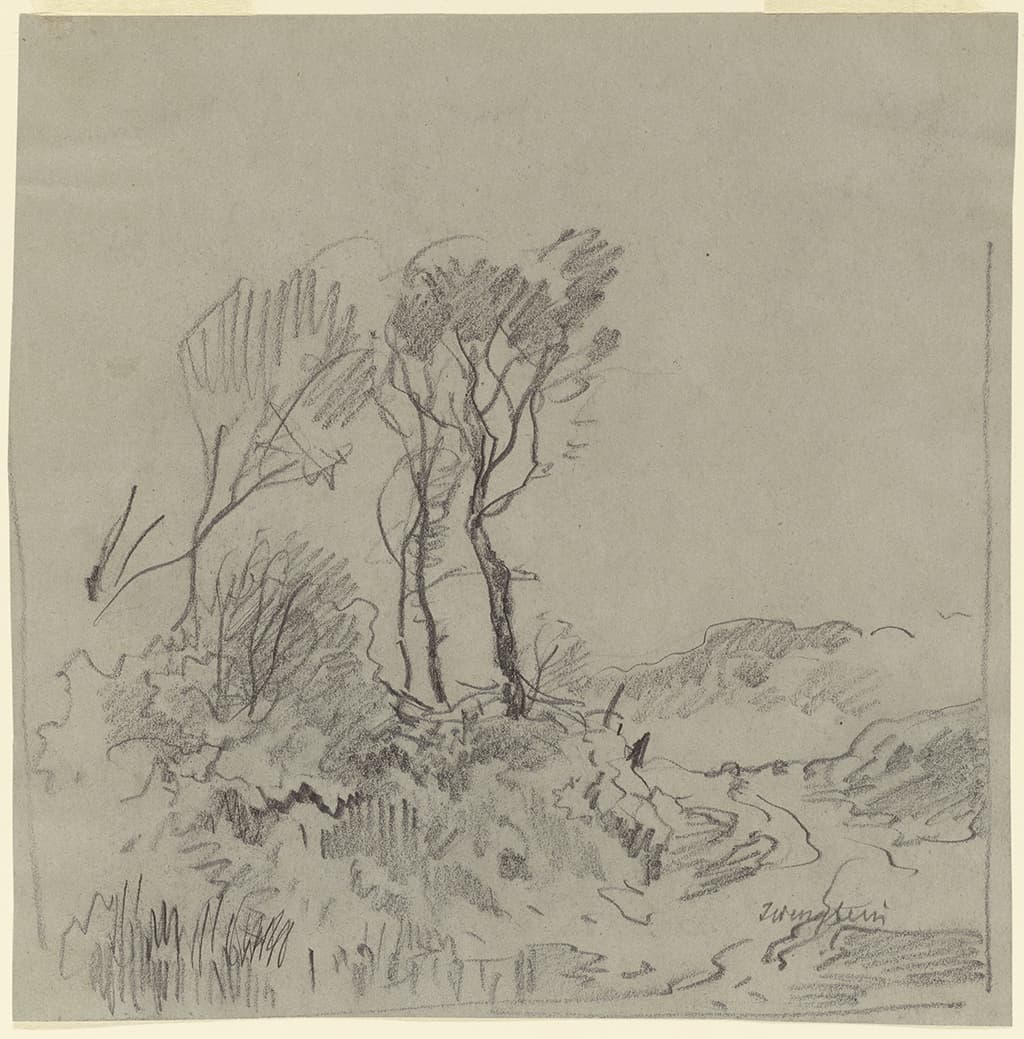
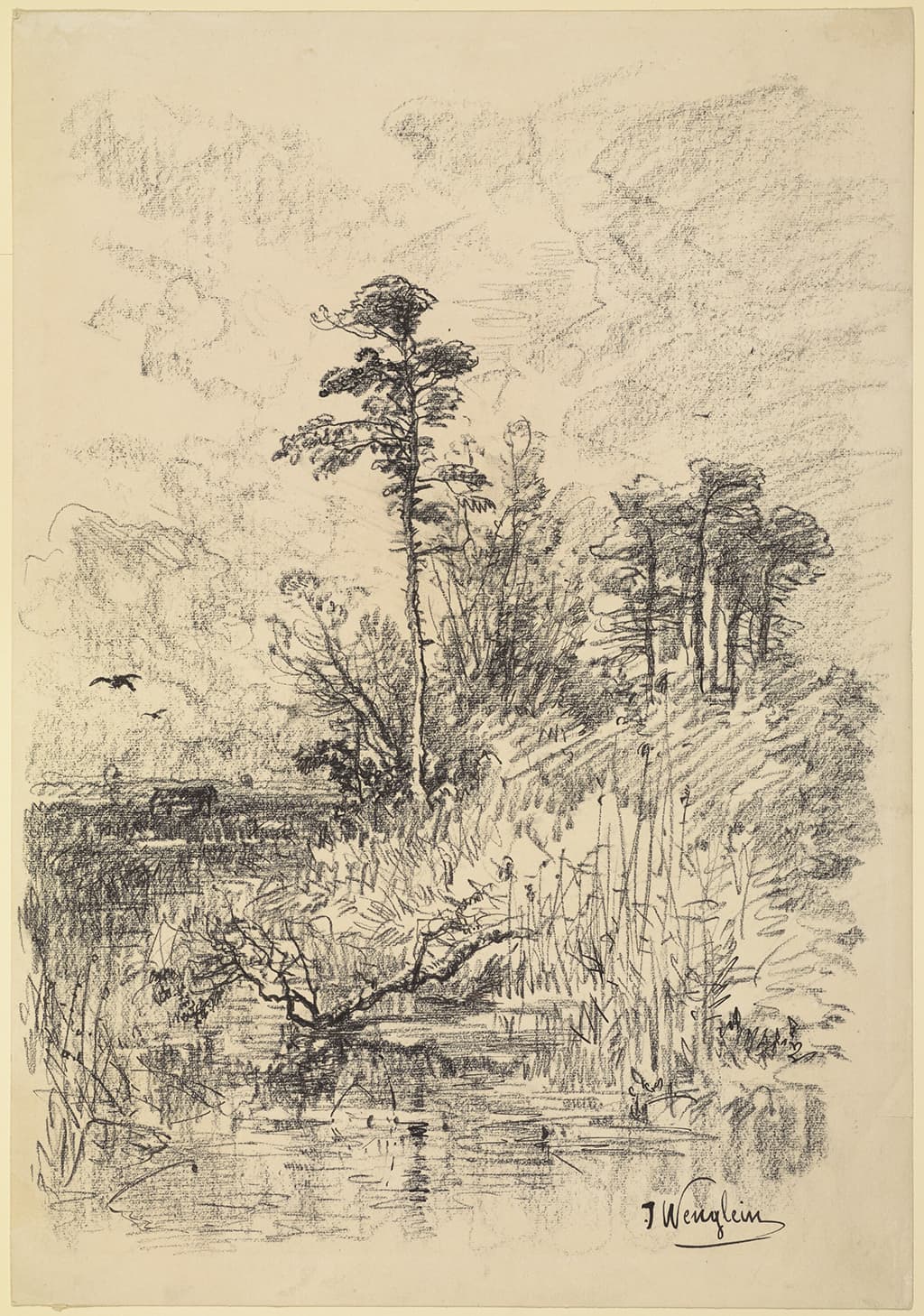
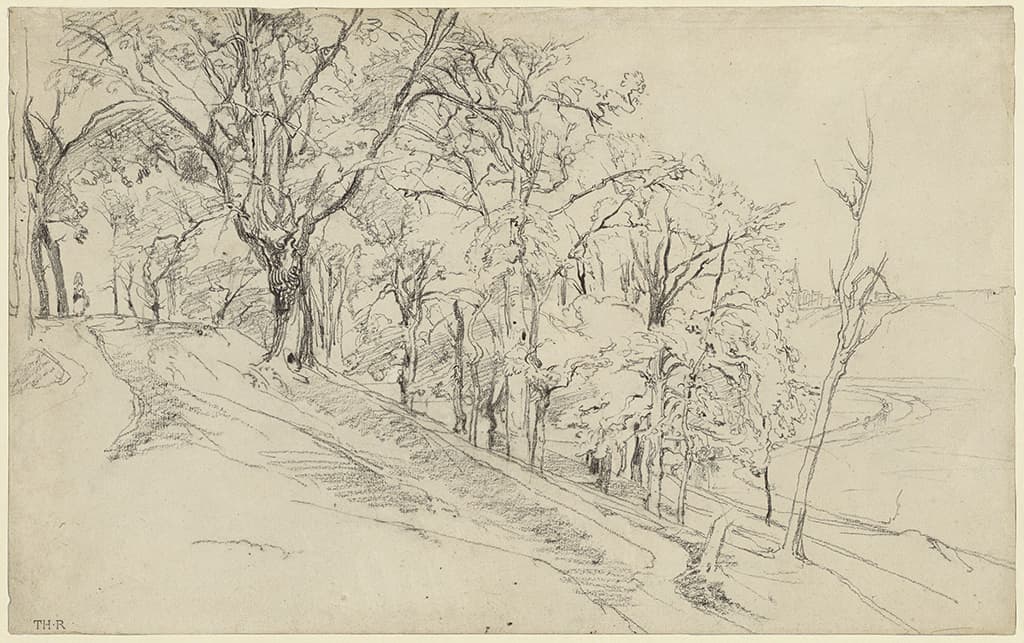

I used to draw from art, closely studying composition, line, tone, and color. That’s how I learned to draw years ago (along with drawing from life, of course).
Drawing directly from works of art has always been an important part of art education. Feel free to make a study based on one of these drawings.
And then, next time you go for a walk, take your sketchbook and draw something that catches your eye. For me, it’s usually flowers and trees.
Tip: Start with a soft graphite pencil (e.g., 2B, 4B, or 6B) and keep your first drawings simple, focusing on tone and line.
I tend to draw with ink and brush pens, but now I’m inspired to pick up a graphite pencil.
I’d love to see your pencil drawings! Feel free to send me photos or reach out with any questions or thoughts.
 Sketchbook Rambles